Panic attacks can be frightening, overwhelming, and confusing, especially when they happen unexpectedly. Many people experiencing their first panic attack believe they are having a heart attack or another life-threatening medical emergency because the physical symptoms can feel extremely intense. Fortunately, panic attacks are highly treatable, and with the right combination of therapy, healthy lifestyle changes, coping strategies, and medical care when necessary, most people can successfully regain control of their lives.
If you're searching for how to treat panic attacks, understanding what causes them and knowing which treatment options are available is the first step toward recovery. Whether panic attacks occur occasionally during stressful situations or become frequent due to panic disorder, early treatment can reduce symptoms, improve confidence, and prevent future episodes.
This comprehensive guide explains panic attack symptoms, common causes, diagnosis, medical treatments, natural remedies, breathing techniques, lifestyle changes, and long-term prevention strategies recommended by mental health professionals.
What Is a Panic Attack?
A panic attack is a sudden episode of intense fear that triggers severe physical and emotional reactions even when there is no actual danger. It occurs because the body's natural fight-or-flight response becomes activated unnecessarily, causing a surge of stress hormones that prepare the body for a threat that doesn't exist.
Although panic attacks are not physically dangerous, they can feel extremely frightening and may significantly affect a person's daily life if they become frequent.
Some individuals experience only one panic attack during their lifetime, while others develop recurring attacks that may lead to panic disorder, a condition characterized by ongoing fear of future attacks and avoidance of situations where previous attacks occurred.
Panic Attack vs Anxiety Attack
Many people use the terms panic attack and anxiety attack interchangeably, but they are not exactly the same.
| Panic Attack | Anxiety Attack |
|---|---|
| Appears suddenly | Builds gradually over time |
| Symptoms peak within minutes | Symptoms increase slowly |
| Usually very intense | Usually mild to moderate |
| May occur without an obvious trigger | Often linked to ongoing stress or worry |
| Can happen unexpectedly | Usually related to a specific concern |
Understanding the difference helps healthcare professionals recommend the most appropriate treatment plan.
Common Symptoms of a Panic Attack
Panic attacks usually reach their maximum intensity within 10 to 20 minutes, although the emotional effects may last much longer.
Common symptoms include:
- Rapid or pounding heartbeat
- Chest pain or chest tightness
- Shortness of breath
- Feeling like you're choking
- Sweating
- Shaking or trembling
- Dizziness or lightheadedness
- Nausea or stomach discomfort
- Tingling or numbness in the hands and feet
- Hot flashes or chills
- Feeling detached from reality (derealization)
- Feeling disconnected from yourself (depersonalization)
- Fear of losing control
- Fear of dying
After the panic attack ends, many people feel mentally and physically exhausted for several hours.
What Causes Panic Attacks?
There is no single cause of panic attacks. Instead, they usually develop due to a combination of biological, psychological, and environmental factors.
1. Genetics
Research suggests that people with close family members who have panic disorder or other anxiety disorders are more likely to experience panic attacks themselves. Genetics may influence how the brain responds to stress and fear.
2. Brain Chemistry
Certain neurotransmitters, including serotonin, norepinephrine, dopamine, and gamma-aminobutyric acid (GABA), play important roles in regulating mood and anxiety. Imbalances in these chemicals may contribute to panic attacks in some individuals.
3. Chronic Stress
Long-term stress caused by work pressure, financial difficulties, relationship problems, caregiving responsibilities, or ongoing emotional strain can increase the likelihood of developing panic attacks.
4. Traumatic Experiences
Past trauma—including childhood abuse, serious accidents, violence, military combat, or the sudden loss of a loved one—may increase the risk of panic attacks, sometimes even years after the traumatic event.
5. Medical Conditions
Several physical health conditions may produce symptoms similar to panic attacks or increase the likelihood of developing them.
- Hyperthyroidism
- Heart rhythm abnormalities
- Asthma
- Chronic obstructive pulmonary disease (COPD)
- Vestibular disorders
- Diabetes
- Hormonal changes
Because panic attack symptoms can resemble serious medical conditions, healthcare professionals often perform a physical evaluation before confirming the diagnosis.
6. Excessive Caffeine
High caffeine intake from coffee, energy drinks, tea, or certain supplements can overstimulate the nervous system and trigger panic symptoms, particularly in individuals who are already prone to anxiety.
7. Alcohol and Substance Use
Alcohol, nicotine, recreational drugs, and withdrawal from certain medications can increase anxiety levels and contribute to panic attacks.
Who Is More Likely to Experience Panic Attacks?
Although anyone can experience a panic attack, certain factors increase the risk.
- Family history of panic disorder
- Generalized anxiety disorder
- Depression
- Obsessive-compulsive disorder (OCD)
- Post-traumatic stress disorder (PTSD)
- High levels of chronic stress
- History of childhood trauma
- Major life transitions or stressful events
Young adults are diagnosed most frequently, but panic attacks can develop at almost any age.
When Should You See a Doctor?
Occasional panic attacks may improve with stress management and healthy coping strategies, but frequent or severe attacks should always be evaluated by a healthcare professional.
You should seek medical advice if:
- Panic attacks occur repeatedly.
- You constantly worry about having another attack.
- You begin avoiding places because of fear.
- Your symptoms interfere with work, school, or relationships.
- You experience persistent anxiety between attacks.
- Your quality of life is significantly affected.
Early diagnosis and treatment greatly improve long-term recovery and help prevent panic disorder from becoming more severe.
How to Treat Panic Attacks Effectively
If you're looking for how to treat panic attacks, it's important to understand that no single treatment works for everyone. Most healthcare professionals recommend a combination of psychotherapy, healthy lifestyle changes, stress management, and medication when necessary. Treatment plans are individualized based on the severity of symptoms, the frequency of attacks, and whether panic disorder or another anxiety disorder is present.
With proper treatment, many people experience fewer panic attacks, regain confidence, and return to their normal daily activities.
Cognitive Behavioral Therapy (CBT)
Cognitive Behavioral Therapy (CBT) is considered the gold standard treatment for panic disorder. Numerous clinical studies have shown that CBT helps reduce both the frequency and intensity of panic attacks while improving overall quality of life.
CBT focuses on identifying negative thought patterns that trigger fear and replacing them with healthier, more realistic thinking.
During CBT, a therapist may help you:
- Recognize panic attack triggers.
- Understand how fear affects the body.
- Identify catastrophic thinking patterns.
- Develop healthier coping strategies.
- Reduce avoidance behaviors.
- Improve emotional resilience.
Many people notice significant improvement after several weeks of consistent therapy, especially when they actively practice the techniques learned during sessions.
Exposure Therapy
Exposure therapy is a specialized form of Cognitive Behavioral Therapy that gradually helps individuals face situations they fear because of previous panic attacks.
For example, someone who avoids shopping malls, driving, elevators, or public transportation after experiencing panic attacks may gradually reintroduce these activities under professional guidance.
The goal is to teach the brain that these situations are not actually dangerous, helping reduce fear over time.
Medications for Panic Attacks
Medication may be recommended when panic attacks are frequent, severe, or significantly interfere with work, school, or daily life. Medicines are often most effective when combined with psychotherapy.
Selective Serotonin Reuptake Inhibitors (SSRIs)
SSRIs are commonly prescribed as the first-line medication for panic disorder because they are effective and generally well tolerated.
Examples include:
- Sertraline
- Escitalopram
- Fluoxetine
- Paroxetine
These medications usually take several weeks before their full benefits become noticeable, so patience and regular follow-up with your healthcare provider are important.
Serotonin-Norepinephrine Reuptake Inhibitors (SNRIs)
SNRIs may be prescribed when SSRIs are not suitable or do not provide adequate symptom relief.
Examples include:
- Venlafaxine
- Duloxetine
Your healthcare provider will determine whether these medications are appropriate based on your medical history and overall health.
Benzodiazepines
Benzodiazepines are fast-acting anti-anxiety medications that may provide short-term relief during severe panic attacks. Because they carry risks such as dependence, tolerance, and drowsiness, they are generally prescribed only for short periods and should always be taken exactly as directed by a healthcare professional.
Beta-Blockers
Beta-blockers are sometimes prescribed to reduce physical symptoms such as rapid heartbeat, trembling, and sweating, particularly in situations that trigger anxiety. They are not appropriate for everyone and should only be used under medical supervision.
Breathing Exercises for Panic Attacks
Rapid breathing is one of the most common symptoms of a panic attack. Learning controlled breathing techniques can help calm the nervous system and reduce physical symptoms.
Diaphragmatic Breathing
Follow these simple steps:
- Sit comfortably with your shoulders relaxed.
- Place one hand on your chest and the other on your abdomen.
- Slowly inhale through your nose for four seconds.
- Allow your abdomen to rise while keeping your chest relatively still.
- Hold your breath briefly if comfortable.
- Exhale slowly through pursed lips for six seconds.
- Repeat for five to ten minutes.
Practicing this technique daily—even when you're feeling well—can make it easier to use during a panic attack.
The 5-4-3-2-1 Grounding Technique
Grounding techniques help shift your attention away from frightening thoughts and back to the present moment.
Try identifying:
- 5 things you can see.
- 4 things you can touch.
- 3 things you can hear.
- 2 things you can smell.
- 1 thing you can taste.
This simple exercise can interrupt escalating anxiety and help reduce the intensity of a panic attack.
Progressive Muscle Relaxation
Progressive Muscle Relaxation (PMR) involves gently tensing and relaxing different muscle groups throughout the body. This technique helps reduce physical tension that often accompanies panic attacks.
Start with your feet and gradually work upward through your legs, abdomen, hands, arms, shoulders, neck, and facial muscles, holding each muscle group tense for a few seconds before relaxing completely.
Mindfulness and Meditation
Mindfulness encourages you to observe thoughts and physical sensations without judging or reacting to them. Rather than trying to stop anxious thoughts, mindfulness teaches acceptance and awareness, which may reduce the fear associated with panic symptoms.
Even ten to fifteen minutes of daily mindfulness practice may improve emotional regulation and reduce overall anxiety levels over time.
Can Natural Remedies Help?
Some people find complementary approaches helpful when used alongside evidence-based treatments such as therapy and lifestyle changes. These approaches should not replace professional medical care, especially for severe or frequent panic attacks.
Examples include:
- Regular physical activity
- Yoga
- Meditation
- Adequate sleep
- Limiting caffeine intake
- Balanced nutrition
- Maintaining healthy social connections
Always discuss herbal products or dietary supplements with your healthcare provider before using them, as some may interact with prescription medications or may not be appropriate for everyone.
Lifestyle Changes That Can Help Prevent Panic Attacks
Healthy lifestyle habits play an important role in reducing the frequency and severity of panic attacks. While lifestyle changes may not completely eliminate panic attacks for everyone, they can support professional treatment and improve overall mental well-being.
Exercise Regularly
Regular physical activity helps reduce stress hormones while increasing the production of endorphins, which naturally improve mood. Exercise may also improve sleep quality and boost self-confidence.
Aim for at least 150 minutes of moderate-intensity exercise each week. Walking, cycling, swimming, yoga, and strength training are all excellent options.
Prioritize Quality Sleep
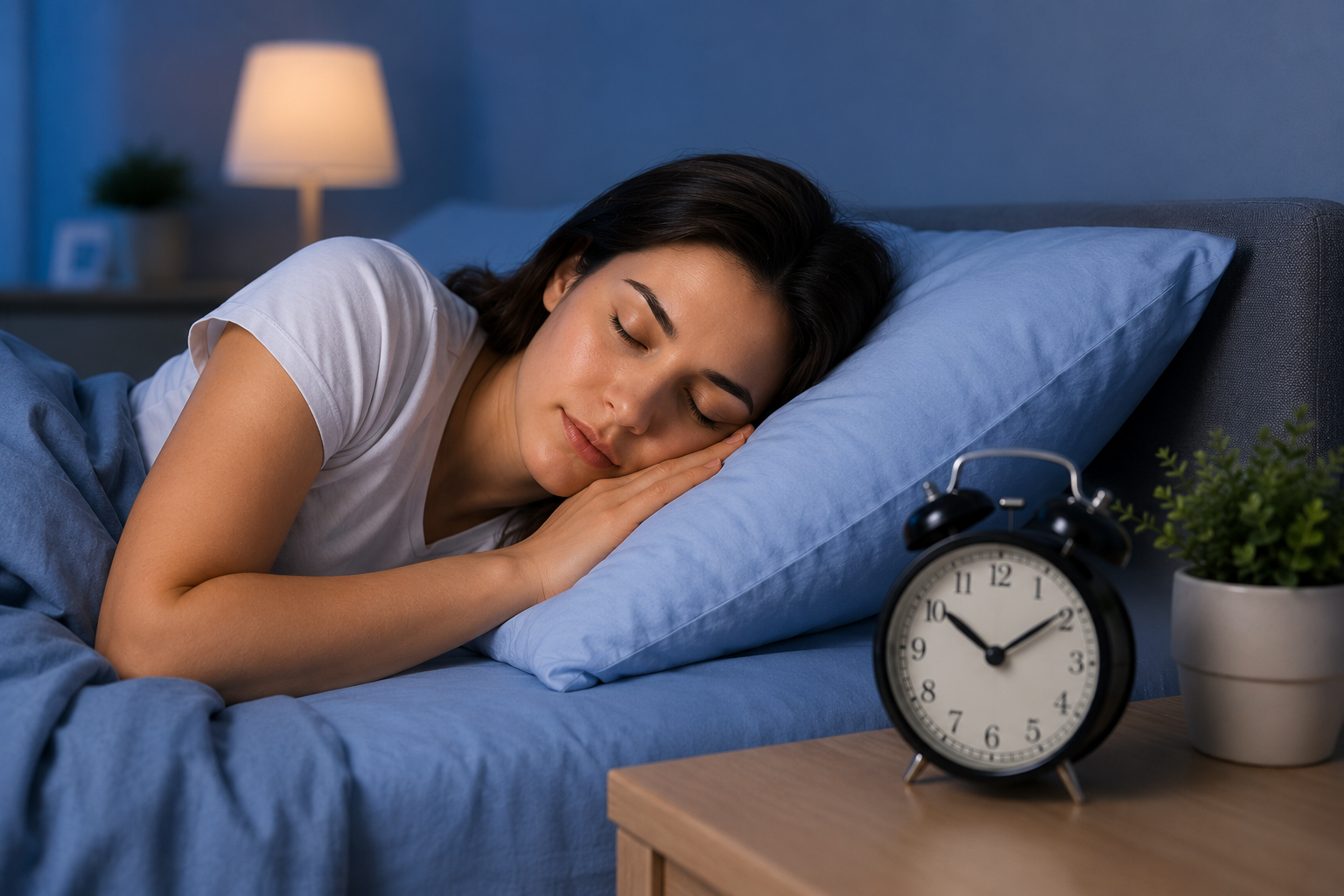
Poor sleep can make anxiety symptoms worse and increase the likelihood of panic attacks. Adults should generally aim for seven to nine hours of quality sleep each night.
Healthy sleep habits include:
- Going to bed at the same time every night.
- Limiting screen time before bed.
- Avoiding caffeine late in the day.
- Keeping the bedroom cool, dark, and quiet.
- Following a relaxing bedtime routine.
Eat a Balanced Diet
Although no specific diet cures panic attacks, eating balanced meals can help stabilize energy levels and support overall brain health.
Include foods such as:
- Fresh fruits and vegetables
- Whole grains
- Lean protein sources
- Healthy fats
- Nuts and seeds
- Plenty of water throughout the day
Skipping meals or consuming excessive sugar may worsen feelings of anxiety in some individuals.
Reduce Caffeine Intake
Caffeine stimulates the nervous system and may trigger symptoms that resemble panic attacks, including rapid heartbeat, trembling, and nervousness.
If you notice that coffee, energy drinks, or highly caffeinated beverages worsen your symptoms, consider gradually reducing your intake under the guidance of your healthcare provider if needed.
Limit Alcohol and Avoid Recreational Drugs
Although alcohol may initially seem relaxing, excessive drinking and alcohol withdrawal can increase anxiety and contribute to panic attacks. Recreational drugs may also worsen symptoms and interfere with treatment.
Daily Coping Strategies During a Panic Attack
Having a plan can make panic attacks feel more manageable. The following strategies may help reduce the intensity of symptoms while an attack is occurring.
- Remind yourself that the panic attack will pass.
- Practice slow diaphragmatic breathing.
- Use the 5-4-3-2-1 grounding technique.
- Relax your shoulders and jaw.
- Avoid fighting the panic attack—allow the feelings to pass naturally.
- Focus on a calming object or sound.
- Repeat a reassuring statement such as "I am safe. This feeling is temporary."
Common Panic Attack Triggers
Although panic attacks sometimes occur without warning, many people notice certain situations or habits that increase their risk.
- Major life stress
- Work-related pressure
- Relationship conflicts
- Financial concerns
- Sleep deprivation
- Excessive caffeine consumption
- Alcohol or drug use
- Crowded public places
- Driving or traveling
- Past traumatic experiences
Keeping a symptom journal may help identify personal triggers and allow you to work with your healthcare provider to develop an effective treatment plan.
Common Mistakes to Avoid
Some behaviors may unintentionally make panic attacks worse or delay recovery.
- Avoiding treatment because symptoms seem embarrassing.
- Self-medicating with alcohol or recreational drugs.
- Stopping prescribed medication without medical advice.
- Avoiding everyday activities due to fear of another attack.
- Ignoring ongoing anxiety symptoms.
- Consuming excessive caffeine or energy drinks.
- Expecting immediate improvement after starting therapy or medication.
Recovery often takes time, but consistent treatment usually leads to significant improvement.
Can Panic Attacks Be Prevented?
Although it may not always be possible to prevent every panic attack, several healthy habits can lower the risk of future episodes.
- Follow your treatment plan consistently.
- Attend therapy sessions regularly.
- Practice relaxation exercises every day.
- Exercise regularly.
- Maintain healthy sleep habits.
- Limit caffeine and alcohol.
- Manage ongoing stress through healthy coping strategies.
- Seek support from trusted family members, friends, or mental health professionals.
Long-Term Outlook
The outlook for people with panic attacks is generally very positive when treatment begins early. Many individuals experience fewer attacks, improved emotional well-being, and greater confidence after participating in therapy, making healthy lifestyle changes, and following their healthcare provider's recommendations.
Some people recover completely, while others continue to experience occasional panic attacks that become much easier to manage over time. Regular follow-up with a healthcare professional can help adjust treatment as needed and support long-term recovery.
Conclusion
Learning how to treat panic attacks begins with understanding that they are both common and highly treatable. Although panic attacks can feel overwhelming, effective treatments such as Cognitive Behavioral Therapy, appropriate medications when needed, breathing exercises, relaxation techniques, and healthy lifestyle habits can significantly reduce symptoms and improve quality of life.
If panic attacks are interfering with your daily activities or causing persistent fear of future episodes, don't hesitate to seek professional medical advice. Early diagnosis and a personalized treatment plan can help you regain confidence, reduce anxiety, and return to living a healthier and more fulfilling life.
- American Psychiatric Association (APA). Diagnostic and Statistical Manual of Mental Disorders (DSM-5-TR).
- National Institute of Mental Health (NIMH). Panic Disorder.
- Anxiety & Depression Association of America (ADAA). Understanding Panic Disorder.
- Mayo Clinic. Panic Attacks and Panic Disorder.
- National Health Service (NHS). Panic Disorder Overview.
- Cleveland Clinic. Panic Attacks: Symptoms, Causes and Treatment.
Related Health Resources
Explore more trusted health resources related to this topic. These articles can help you better understand symptoms, causes, treatment options and prevention strategies.